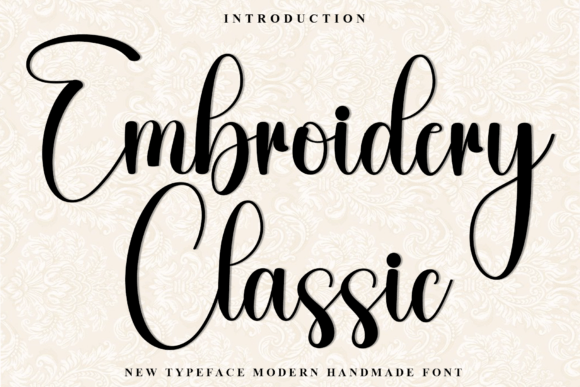
Embroidery Classic Font for Holiday Campaigns
It’s 9:17 a.m. on a Tuesday, and I’m staring at a blank canvas in Canva, trying to figure out how to make the holiday sale announcement pop. The client wants something festive, something that feels like it belongs in a snow globe. That’s when I remember: Embroidery Classic. A Script Handwritten font with a whimsical flair that adds a touch of enchantment to your designs.
Embroidery Classic for Instagram Posts and Social Media Graphics
Instagram is all about first impressions, and Embroidery Classic delivers. It’s perfect for creating eye-catching captions, promotional headers, or even custom hashtags. The decorative elements catch the eye, making it ideal for seasonal posts that need a little extra magic. Whether it’s a limited-time offer or a holiday-themed giveaway, this font helps your message stand out in a crowded feed.
When designing for Instagram, I always test the font on mobile screens first. Embroidery Classic holds up well on smaller previews, especially when used for short headlines or callouts. Its ornate details don’t get lost in the noise, and the whimsical style adds personality without overwhelming the viewer.
Embroidery Classic for YouTube Thumbnails and Reels Covers
YouTube thumbnails are the first thing people see before clicking, and they need to be bold, clear, and attention-grabbing. Embroidery Classic works wonders here. I recently used it for a holiday video series, pairing it with a vibrant background and a simple icon. The result was a thumbnail that felt festive and professional, while still being easy to read on a phone screen.
For reels covers, I often pair Embroidery Classic with a clean sans serif font for contrast. This creates visual balance, ensuring the text is legible while still maintaining that holiday charm. The font’s decorative elements also add a sense of occasion, which is perfect for content that’s meant to feel special or exclusive.
Embroidery Classic for Email Banners and Web Design
Email marketing is all about clarity and impact, and Embroidery Classic can help. I used it for a holiday email campaign last year, applying it to the subject line and header. The font added a personal, handwritten feel that made the message feel more intimate and engaging.
In web design, Embroidery Classic is best used sparingly—maybe for a hero section headline or a promotional banner. It’s not ideal for long paragraphs, but as a display font, it brings a unique energy to the page. When paired with a modern typography system, it creates a dynamic contrast that draws the eye and reinforces brand identity.
Embroidery Classic for Pinterest Pins and Digital Ads
Pinterest is all about visual storytelling, and Embroidery Classic fits right in. I created a set of pins for a seasonal product launch, using the font for title overlays and caption text. The whimsical style complemented the imagery perfectly, making each pin feel like a piece of art rather than an ad.
For digital ads, I recommend using Embroidery Classic for headlines and CTA buttons. Its decorative nature makes it memorable, while its readability ensures the message isn’t lost. I’ve seen it work well in carousel ads, where each image has a distinct visual identity but still feels part of a cohesive campaign.
Embroidery Classic for Branded Templates and Promotional Content
When building a branded template library, consistency is key. Embroidery Classic can be a great addition to your design toolkit, especially for holiday or seasonal campaigns. I’ve used it for social media templates, email banners, and landing pages, always ensuring it aligns with the overall brand voice.
One thing to keep in mind is that Embroidery Classic is best suited for short, impactful text. It works well for headlines, logos, and decorative titles, but not for body copy. That said, when used correctly, it can elevate the entire look of a campaign, adding that extra layer of charm and personality.
Embroidery Classic for Logo Design and Brand Identity
Logo design is where fonts really shine. Embroidery Classic has a unique personality that can translate well into a brand mark, especially for businesses with a creative or artisanal vibe. I once worked with a small boutique that wanted a logo that felt handcrafted and warm. Embroidery Classic fit the bill perfectly, giving the brand a fresh, inviting look.
When using Embroidery Classic for a logo, it’s important to consider how it will scale. The font’s decorative elements should remain visible at different sizes, and the overall shape should be clean enough to work across various mediums, from business cards to digital ads.
Embroidery Classic for Display Text and Decorative Titles
Display text is where Embroidery Classic really comes into its own. It’s perfect for posters, flyers, and promotional materials that need to grab attention. I used it for a holiday event poster, pairing it with a bold sans serif for the date and location. The result was a design that felt both elegant and playful, just right for the season.
For decorative titles, I often use Embroidery Classic in combination with a subtle texture or background. This adds depth and dimension, making the text feel more tactile and real. It’s a great way to create a sense of occasion, whether it’s for a product launch, webinar, or online shop promotion.
Embroidery Classic for Font Pairing and Typography Systems
Font pairing is an essential part of any design project, and Embroidery Classic pairs well with a variety of styles. For a modern look, I often pair it with a clean sans serif font like Montserrat or Open Sans. For a more traditional feel, a serif font like Playfair Display or Georgia works beautifully.
When working with a handwritten font, I tend to go for a more minimal approach, using Embroidery Classic for headlines and a simpler script for body text. This creates a balanced composition that’s both readable and visually interesting.
Embroidery Classic for Commercial Use and Licensing
Before using any font in a commercial project, it’s important to check the licensing terms. Embroidery Classic is available in multiple file formats, including OTF and TTF, and it includes a range of styles, alternates, and ligatures. This makes it versatile for different design needs, whether you’re creating a single graphic or a full campaign.
I always recommend checking multilingual support if your audience is global. While Embroidery Classic may not cover every language, it’s a solid choice for English and many other European languages. Just make sure to review the license agreement carefully before using it in client projects or public-facing content.